Real-Time Object Detection Algorithms Reshaping Retail Inventory Management Through Handheld Scanners
Written by Harper Perry · Oct 2, 2026
Real-Time Object Detection Algorithms Reshaping Retail Inventory Management Through Handheld Scanners
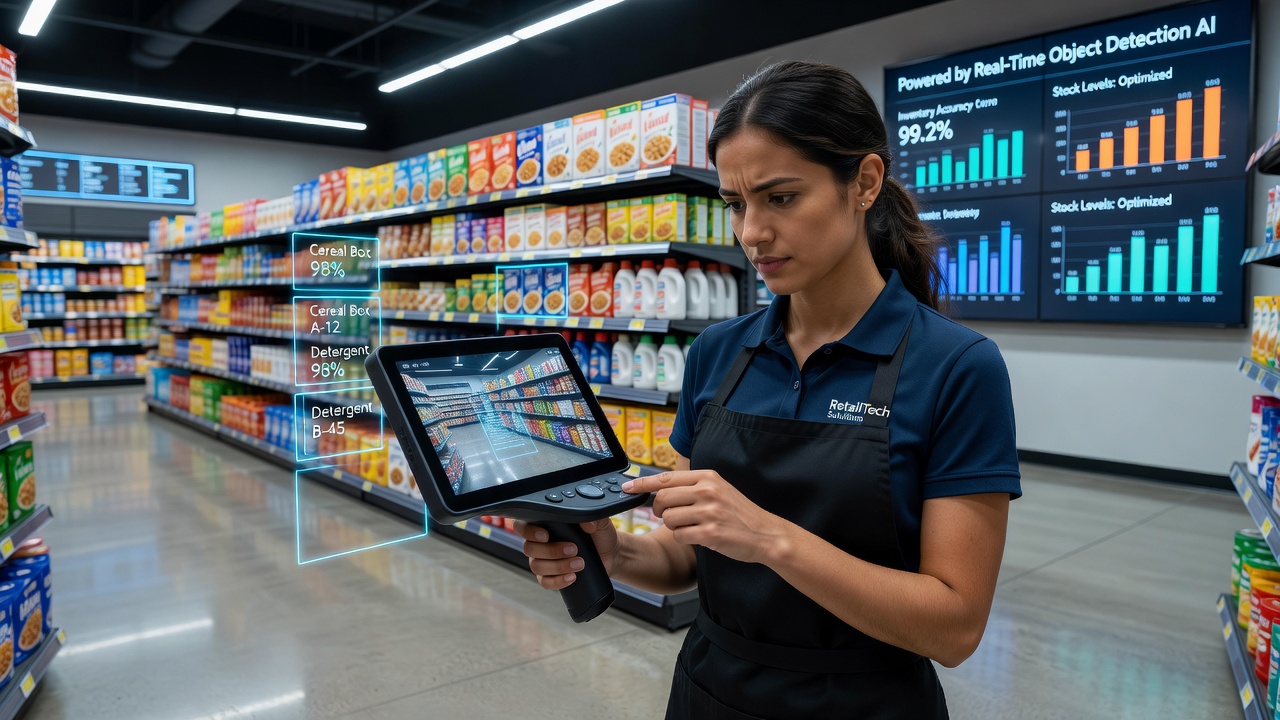
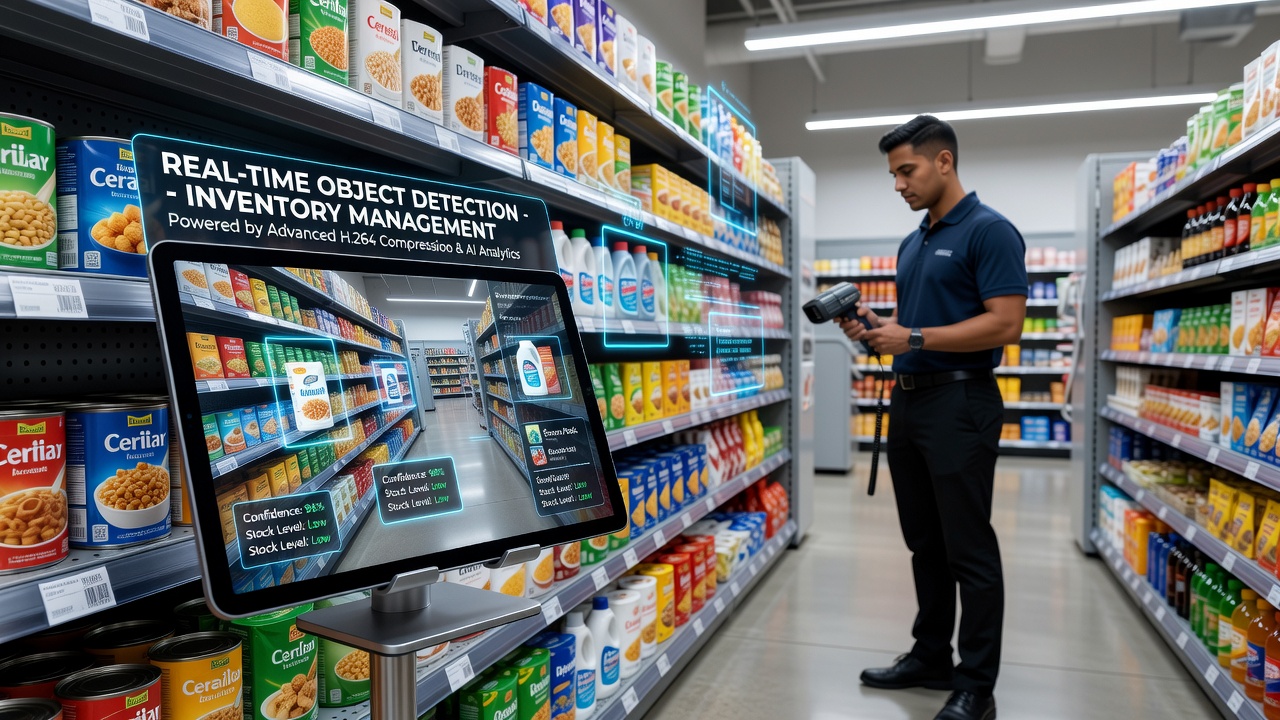
Retail chains now deploy handheld scanners equipped with real-time object detection algorithms that identify items on shelves, count stock levels, and flag discrepancies without manual entry. These systems process camera feeds on the device itself, drawing from models such as optimized versions of YOLO and MobileNet that run at 30 frames per second or higher on mobile hardware. Workers walk aisles while the scanner highlights products, reads barcodes when visible, and estimates quantities even when items sit partially obscured.
Core Technology Behind Mobile Detection
Object detection pipelines combine convolutional neural networks trained on retail-specific datasets with lightweight inference engines that fit within the memory limits of commercial scanners. Training data includes millions of annotated images showing products under varying lighting, angles, and shelf conditions, while edge optimization techniques prune redundant layers to maintain accuracy above 92 percent on common stock-keeping units. In October 2026, updates to several commercial toolkits introduced improved handling of reflective packaging and low-light environments, allowing continued operation during extended store hours without external processing.
Integration occurs through APIs that link detection outputs directly to inventory databases, updating counts in seconds rather than hours. Retailers report that single-pass scans now cover entire departments because the algorithms track multiple objects simultaneously and log their positions relative to shelf coordinates.
Operational Changes Across Store Networks
Chain operators in North America and Europe have rolled out these scanners to reduce out-of-stock events and labor hours spent on cycle counts. A typical shift involves staff completing full inventory audits in under two hours per location, compared with previous manual methods that required four to six hours. The systems also detect misplaced items by matching detected products against planogram data, sending alerts when an item appears in the wrong section.
Smaller regional chains follow similar patterns after pilot programs demonstrated consistent accuracy across diverse store layouts. Data from the Australian Bureau of Statistics shows that adoption rates for computer-vision inventory tools rose steadily between 2023 and 2025, with handheld scanners representing the largest share of new deployments in the grocery and general merchandise segments.
Accuracy Metrics and Continuous Improvement
Benchmark tests conducted by research groups at several universities indicate that current mobile implementations reach mean average precision scores between 0.85 and 0.94 across standard product categories. Accuracy improves further when scanners combine visual detection with RFID or barcode confirmation for high-value items. Ongoing fine-tuning happens through federated updates that aggregate anonymized performance data from thousands of devices without moving raw images off-site.
Seasonal merchandise presents ongoing challenges because new packaging designs require periodic retraining, yet the process now completes in days rather than weeks thanks to transfer learning techniques that reuse core feature extractors.
Supply Chain and Compliance Benefits
Accurate real-time counts feed directly into replenishment systems, reducing both overstock and lost sales. European retailers subject to strict food-waste regulations use the same scans to identify near-expiry items for markdown or donation programs before waste occurs. Government agencies in Canada have referenced these capabilities in guidance documents on digital transformation for small and medium enterprises, noting measurable reductions in record-keeping errors.
Security features built into the scanners encrypt detection logs during transmission and store model weights in secure enclaves, meeting enterprise standards for data protection while still allowing on-device inference.
Conclusion
Real-time object detection on handheld scanners has moved from experimental pilots to standard equipment in many retail environments by combining efficient neural architectures, mobile hardware improvements, and tight integration with existing inventory platforms. Continued refinement of these algorithms, supported by large-scale training datasets and periodic hardware refreshes, sustains the shift toward faster, more precise stock management across global retail operations.